I was on a work trip in Dak Lak in Vietnam’s central highlands. I had very little knowledge of the area and never thought that there were a lot of things to explore in the place so I did not book in a couple of days to just wander around.
Apart from the fact that I came across a blog post on Arul House, and I also went there and wrote about my experience, there is nothing else that I knew about the place. For example, I did not know that Buon Ma Thuot, the city where I was in, was widely recognised as the robusta coffee capital of the world, not until one of the team members of the foundation that I was monitoring mentioned it.
I am a coffee lover. So I googled “best coffee shops” in the city, and lo and behold, I was led to The Coffee World Museum’s website. Their website says:
The Coffee World Museum – a symbolic architectural work of Vietnam’s coffee industry was invested and built by Trung Nguyen Legend Group on 2 hectares of land and officially put into operation on November 23, 2018.
On November 23, 2018, it was officially inaugurated. The project has become an iconic architectural symbol of the Vietnamese coffee industry, attracting millions of tourists each year and contributing to the development of the local economy, trade, and commerce. It has gradually transformed Buon Ma Thuot into the global capital of coffee.
I had two hours to spare before my flight in the morning (they open at 7 am), so I went there with my colleague early in the morning. We were the first customers!
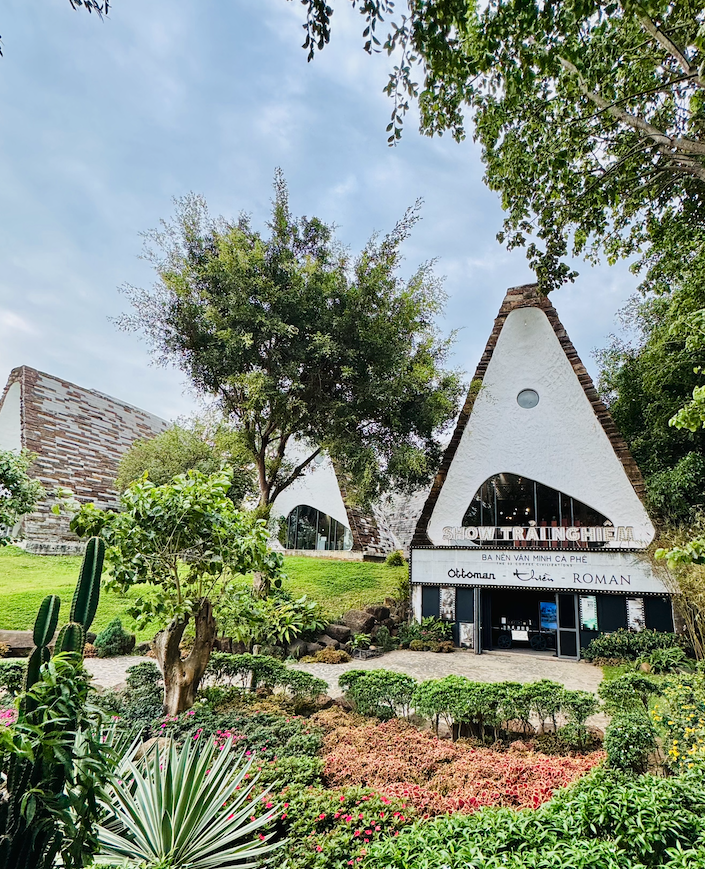
The Building
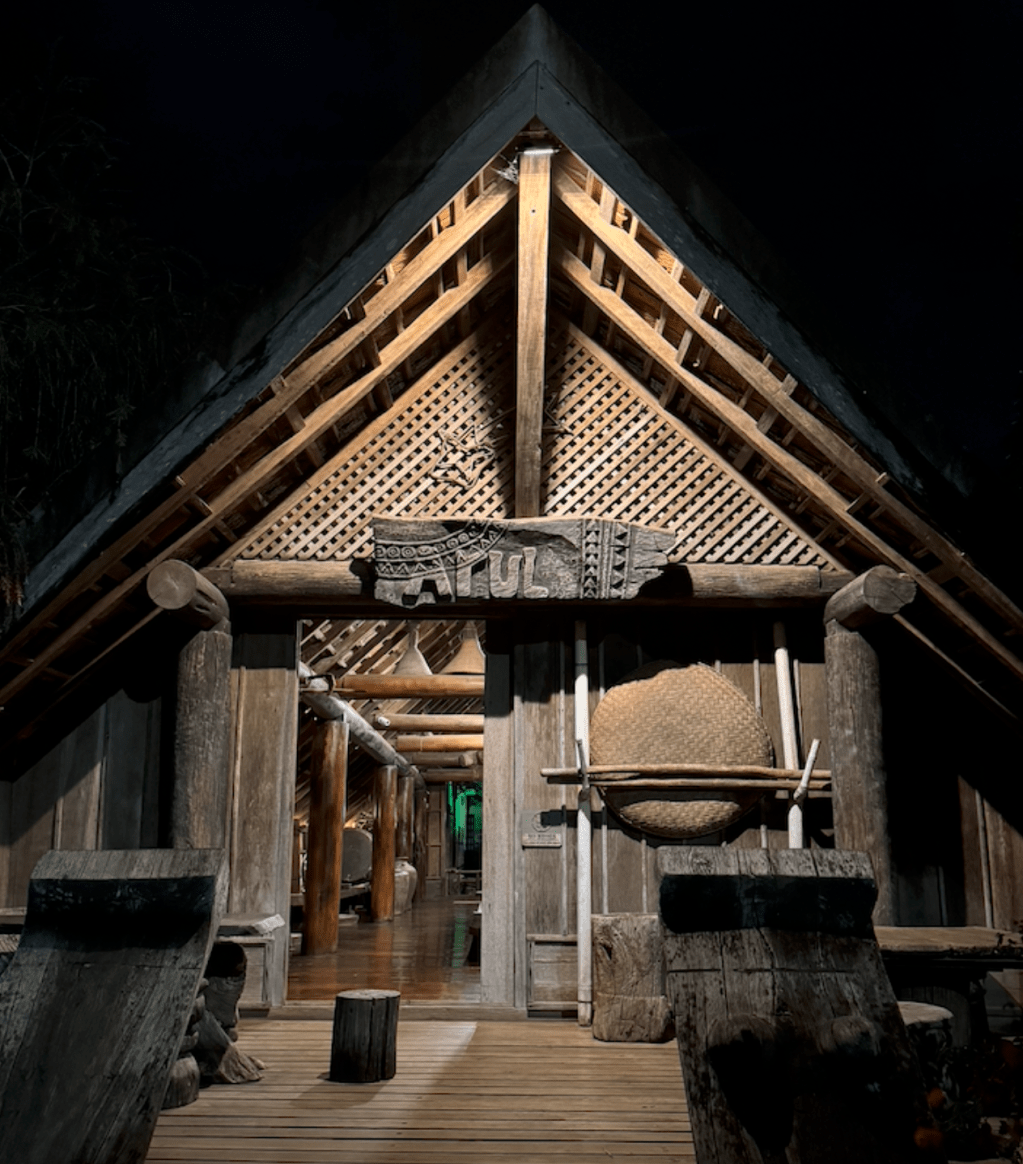
The building stops you before you even get inside. The design draws on the nha dai, or long house, the traditional dwelling of the Ede people who have called this part of the Central Highlands home for centuries. But it doesn’t feel like a copy of something old — it feels like someone took that idea and stretched it, curved it, made it breathe. The complex is made up of freely curved blocks connected through “touch points” on winding, flexible curves, It sits on a gentle rise, surrounded by greenery, and honestly you could spend a good ten minutes just standing outside taking it in before you even think about going in.
The Museum
When you walk in, you understand why the place is special. The museum houses more than 10,000 coffee artifacts from around the world. The collection is organized around three great coffee civilizations: Ottoman, where coffee was considered sacred and creativity-inspiring; Roman, representing the Western scientific and industrial approach from the 17th century onward; and Thiền, or Zen — an Eastern philosophy of mindfulness around the act of brewing.
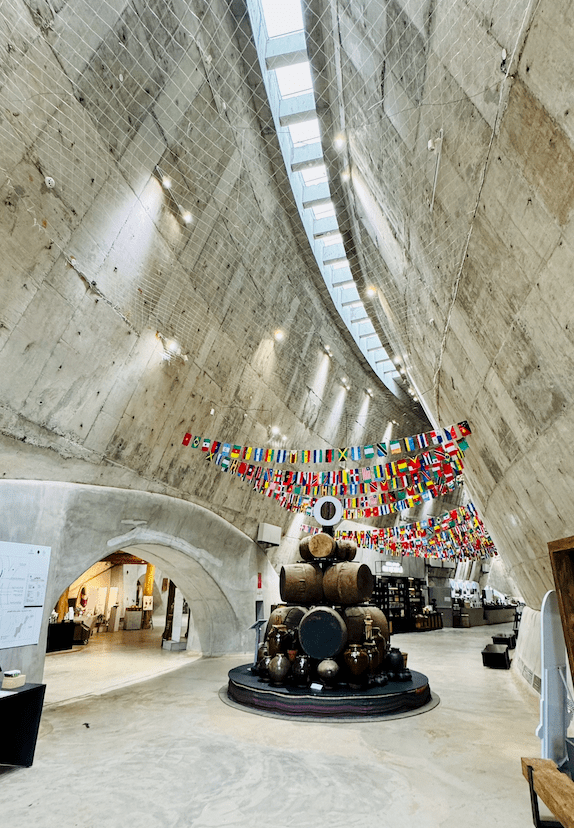
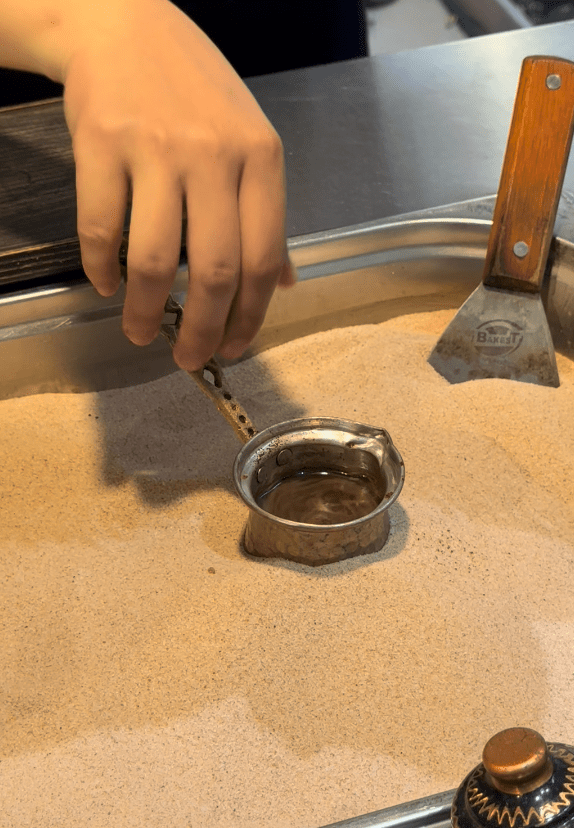
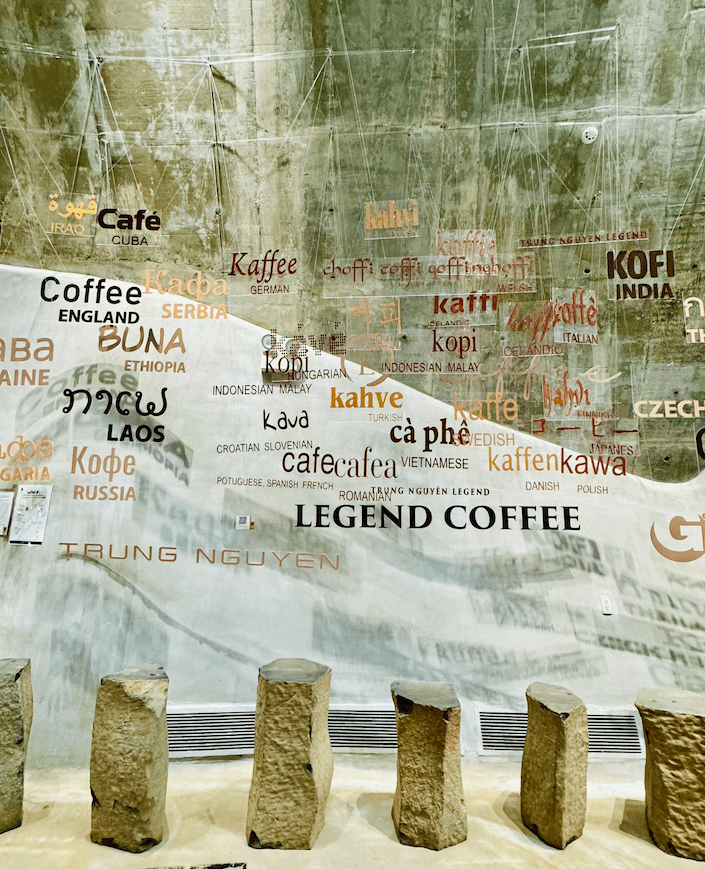
The Music
Here’s the part I didn’t expect at all. Musical instruments abound. There are the gongs that UNESCO has recognized as an Intangible Cultural Heritage of Humanity. Then there is the collection of t’rungs (Vietnamese: đàn t’rưng), a traditional bamboo xylophone used by the Jarai people and Bahnar people in Vietnam’s Central Highlands. Then finally, there are areas in the place where the pianos sit in invitation of whoever would like to play its keys.
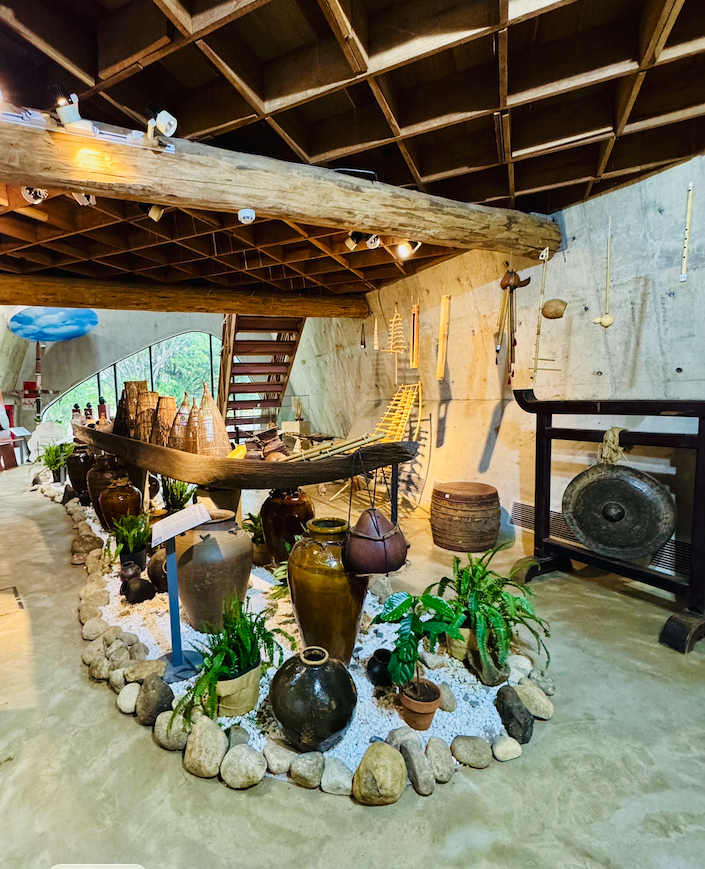
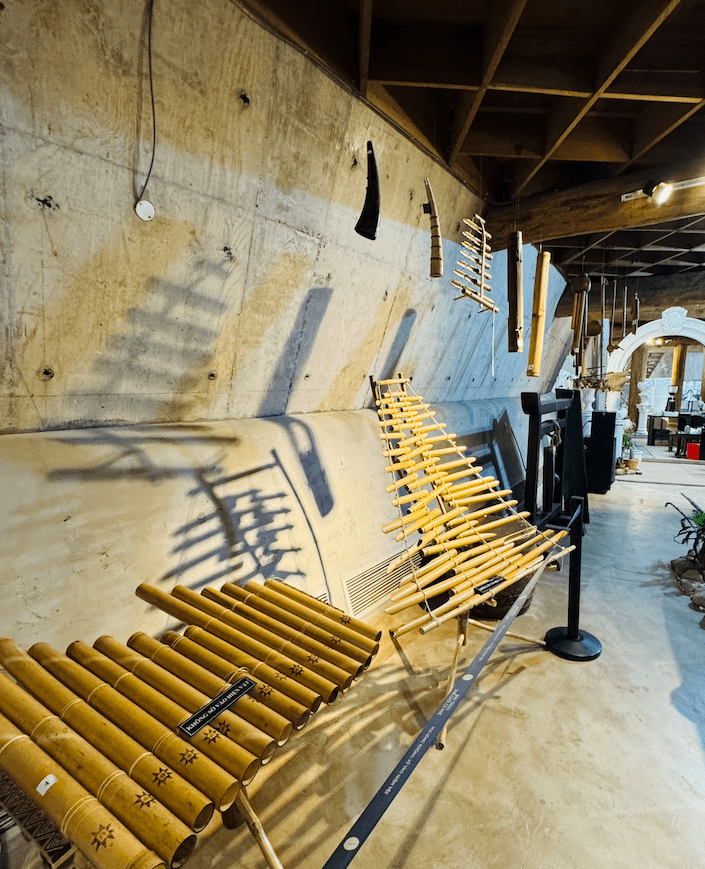
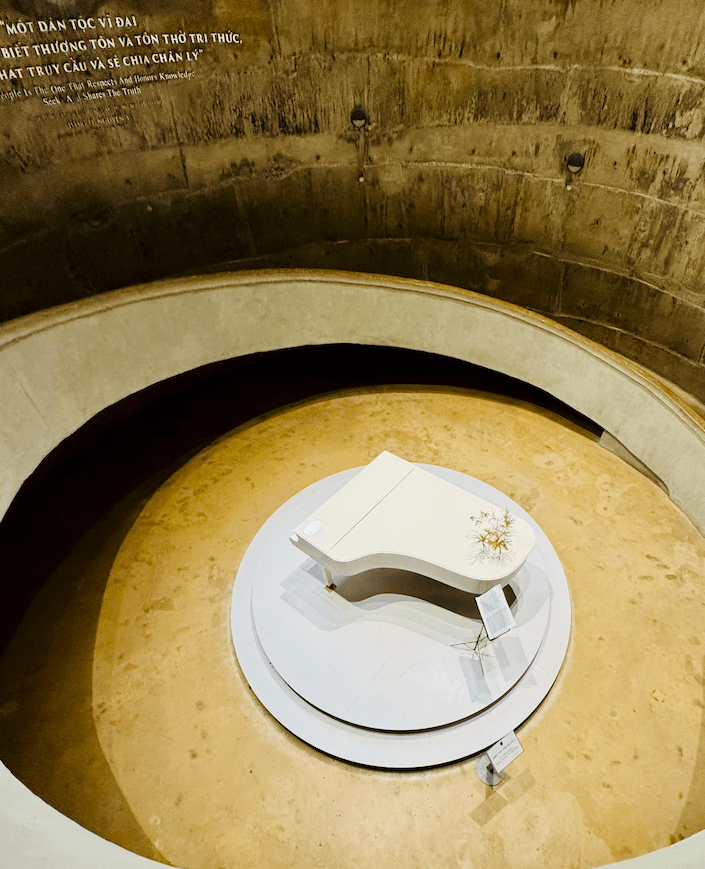
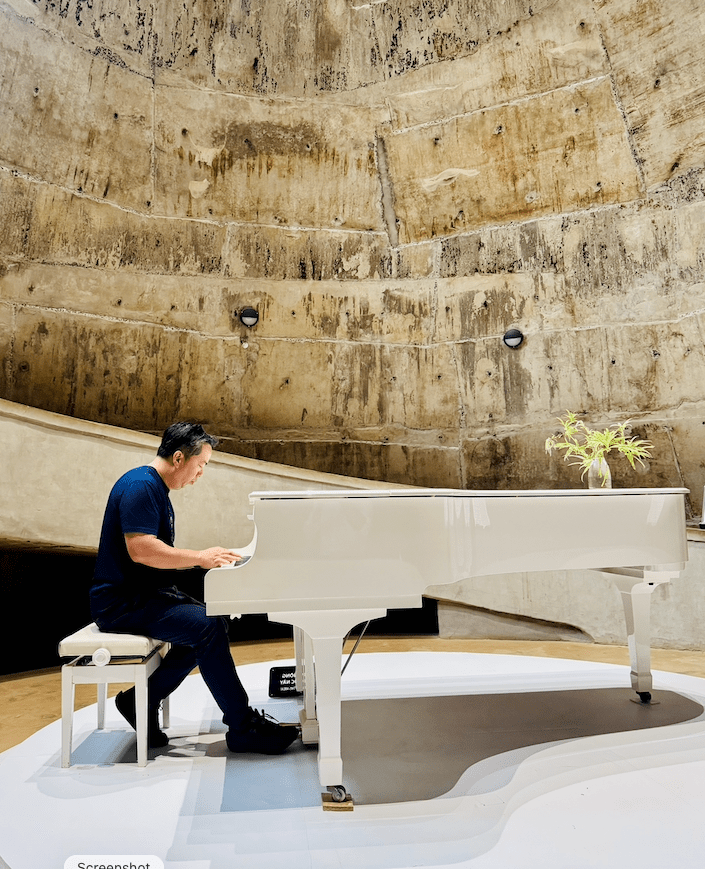
This was my most memorable part of the trip. I asked the manager if I can play the piano in the cafe. They obliged. After they heard me play, they said, why don’t you try the white grand in the basement?
Of course? Why not? And here is that parting shot: 🙂
 Everything Random
Leave a comment