I was fortunate to visit Stung Treng again after more than 15 years. The last time I visited the city, the capital of Cambodia’s largest province of the same name, was when I was conducting an evaluation of a project funded by Agencia Espanola in riverine communities along the Mekong and the Sekong rivers.
The Mekong and Sekong are not just the lifeline of local people; they are also full of life and stunning scenery. The boat ride gave us amazing views of the important landscapes that make this part of Cambodia special.
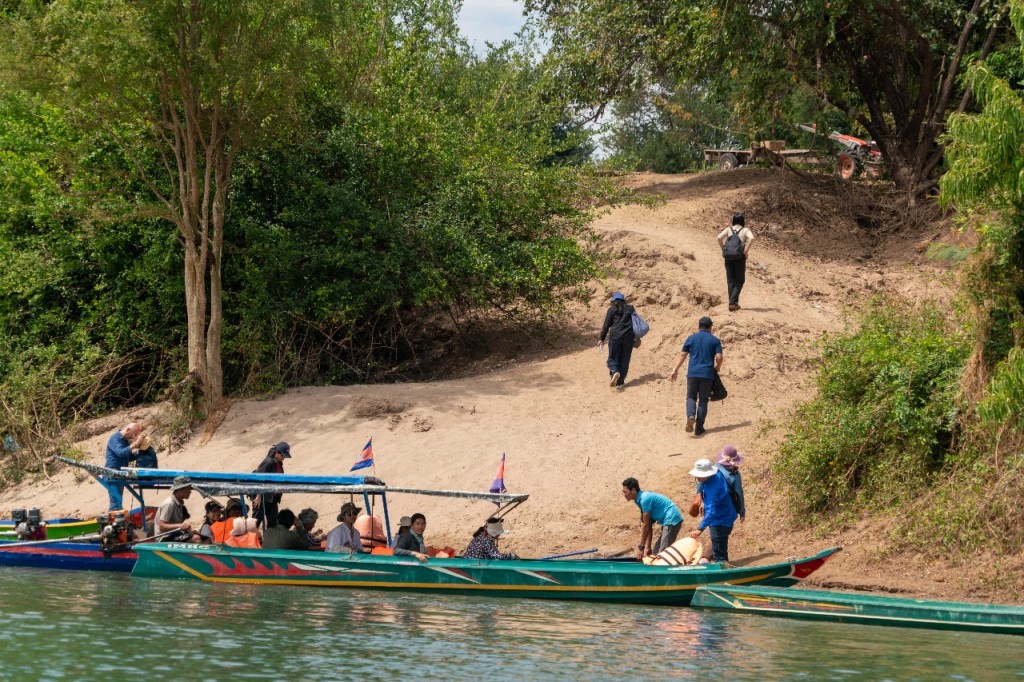
The day started early with a boat ride along the Mekong river. As our boat moved gently across the calm waters, we enjoyed the peaceful sound of the rivers and the greenery decorating the riverbanks.
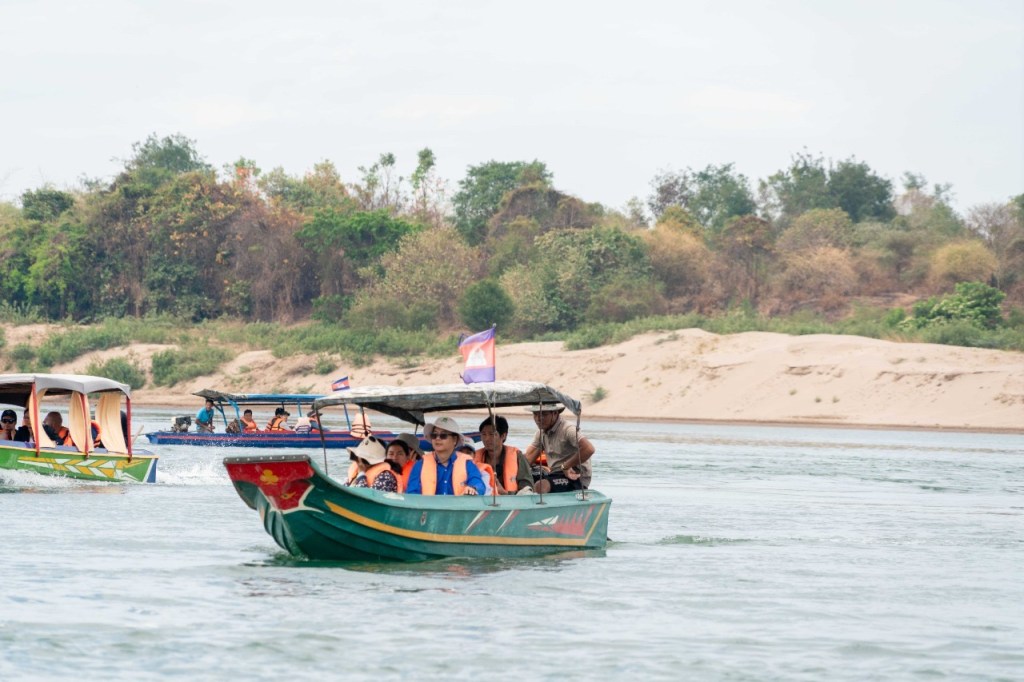
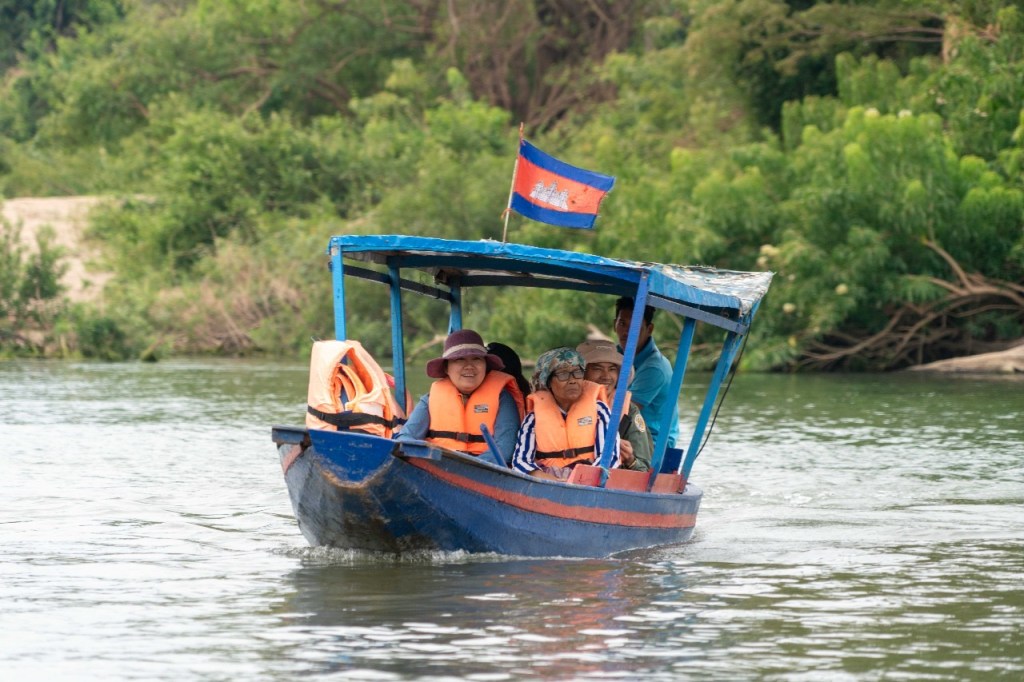

Soon, our boat reached the famous deep pools of the rivers. These natural wonders are not physically distinguishable for people like me with very little education on how river systems work; but they can be felt while inside a shallow boat. My friend told me once that deep pools are important habitats for fishes, especially during the dry season when water levels drop, providing a safe space for them to survive and spawn.
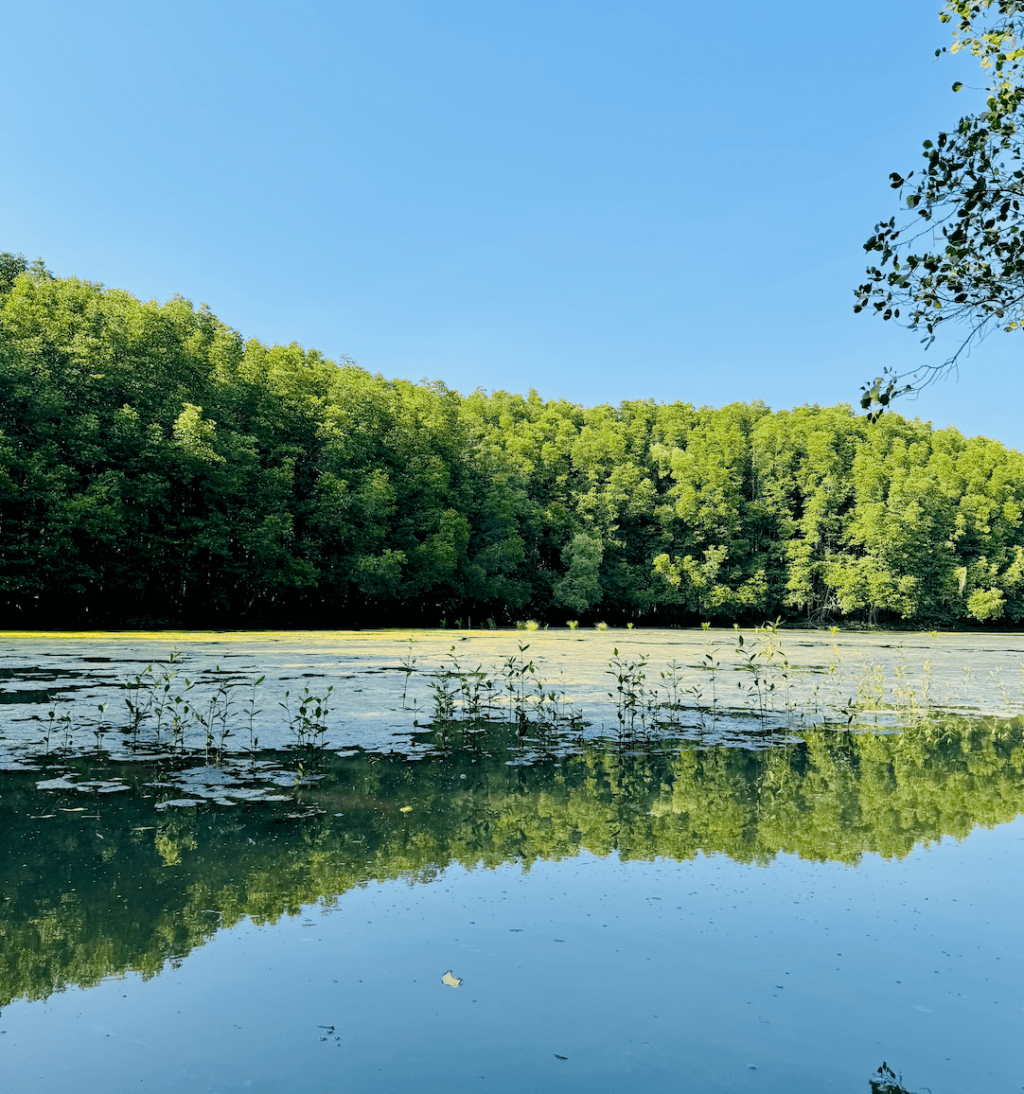
A little later, we reached the area of the floating forests. The flooded forests part of the Stung Treng Ramsar site, an internationally important wetland.
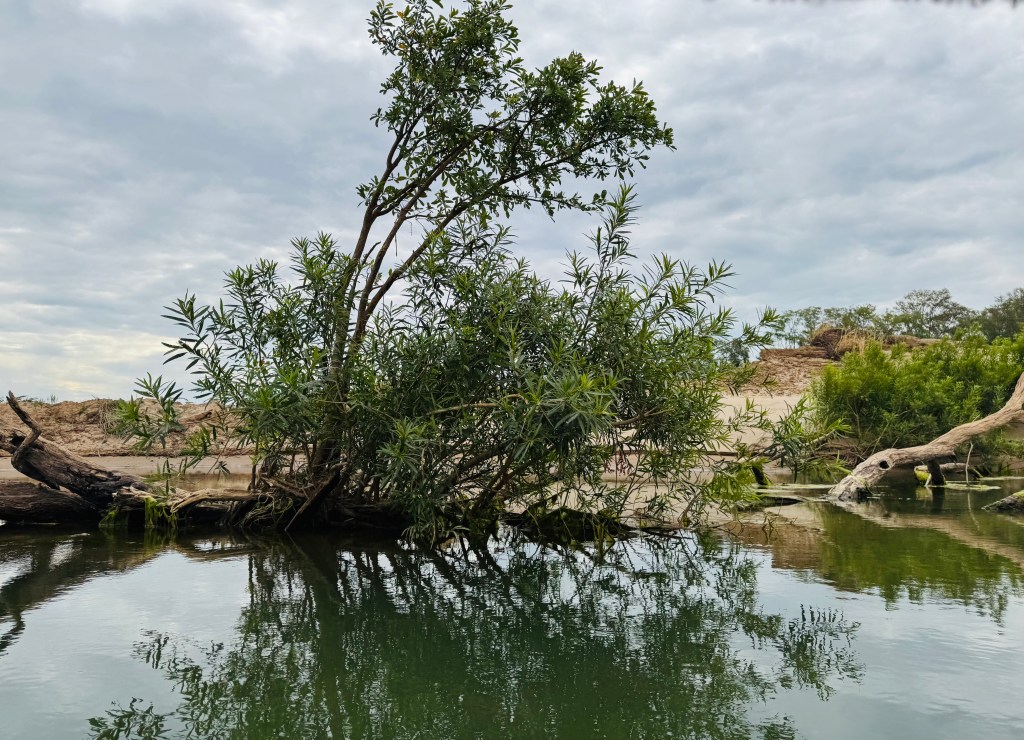

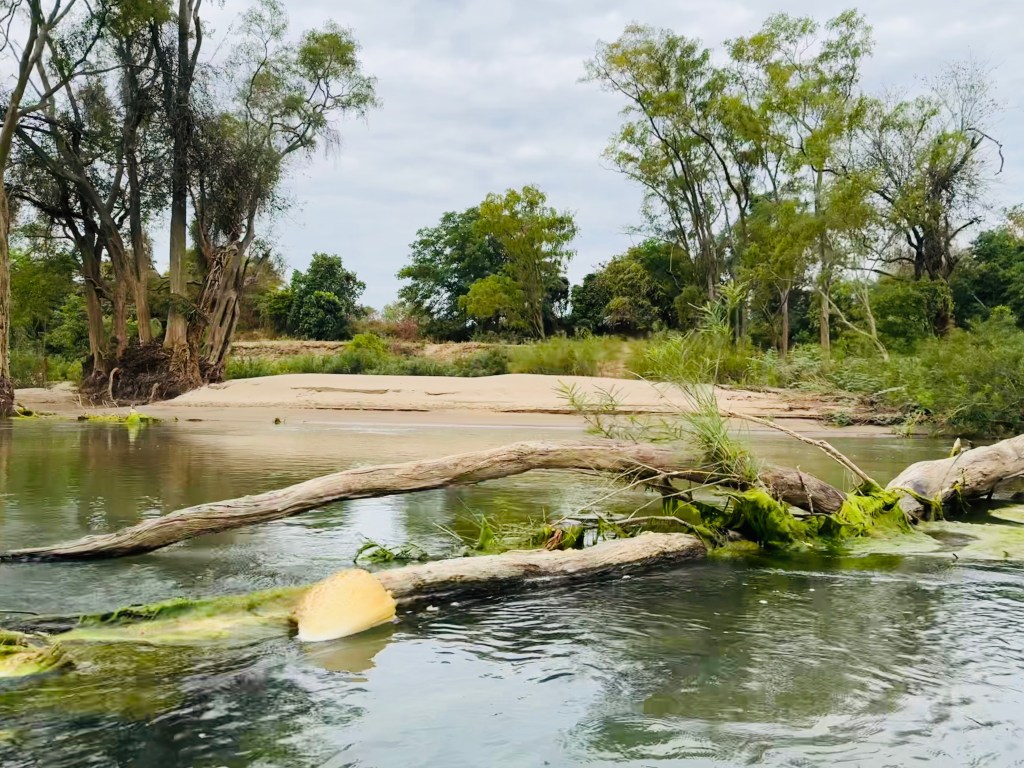
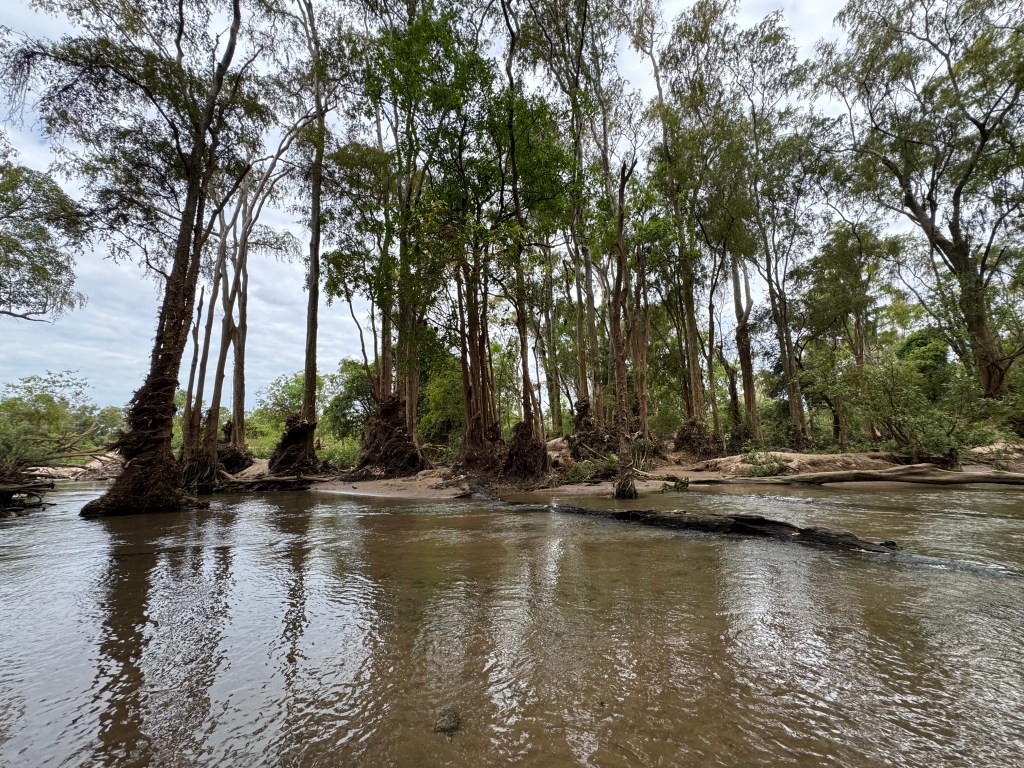
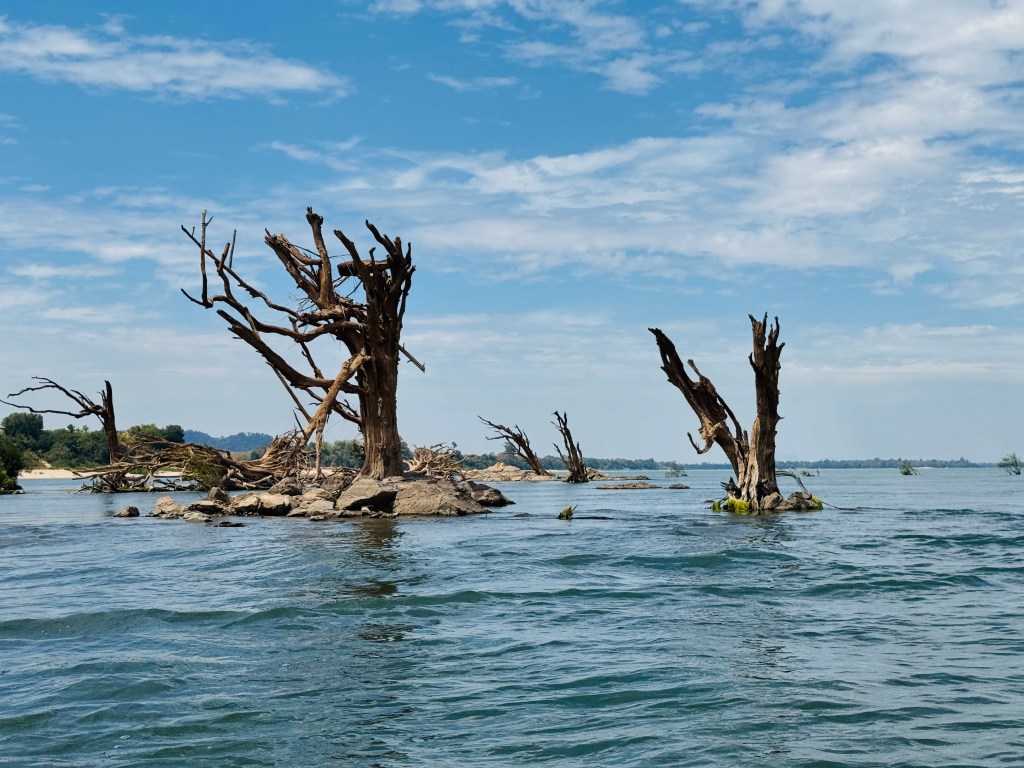
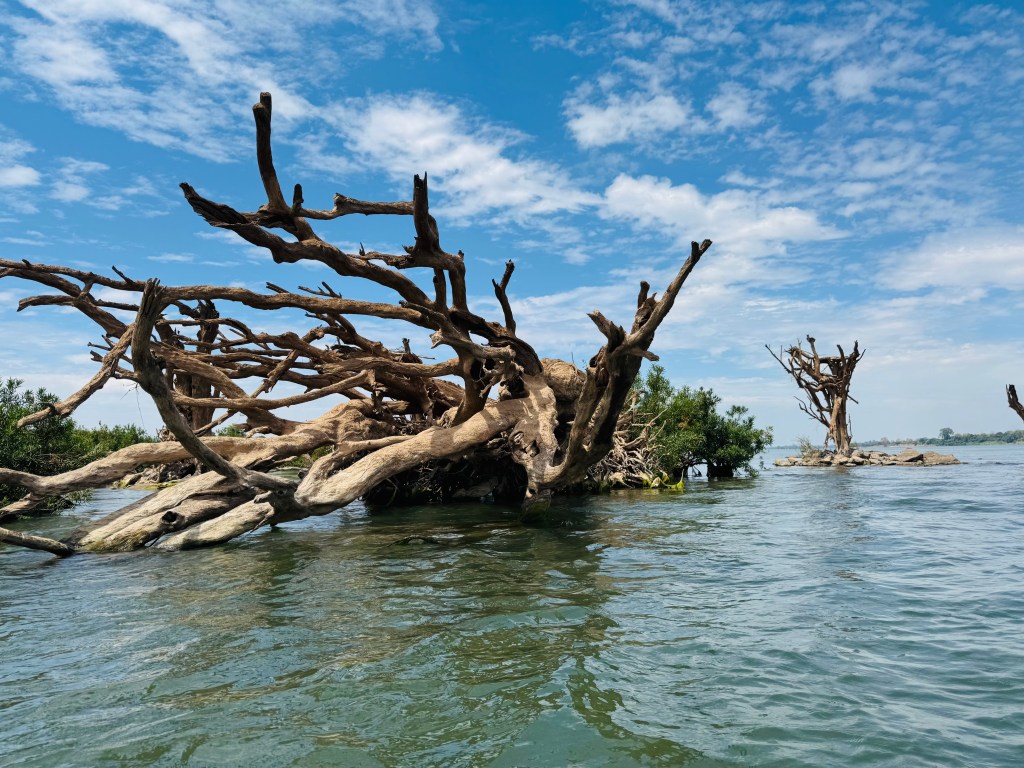
Navigating through the floating forest was one of the highlights of our trip. This unique place, with trees seemingly floating on the water’s surface, had a magical feel.
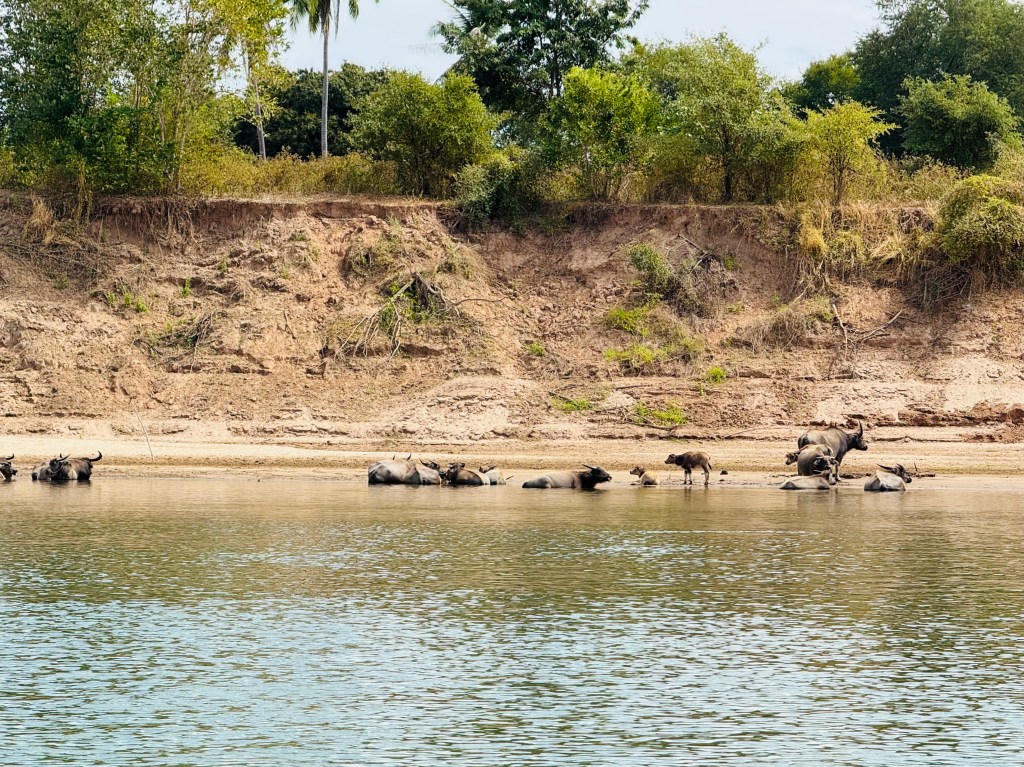
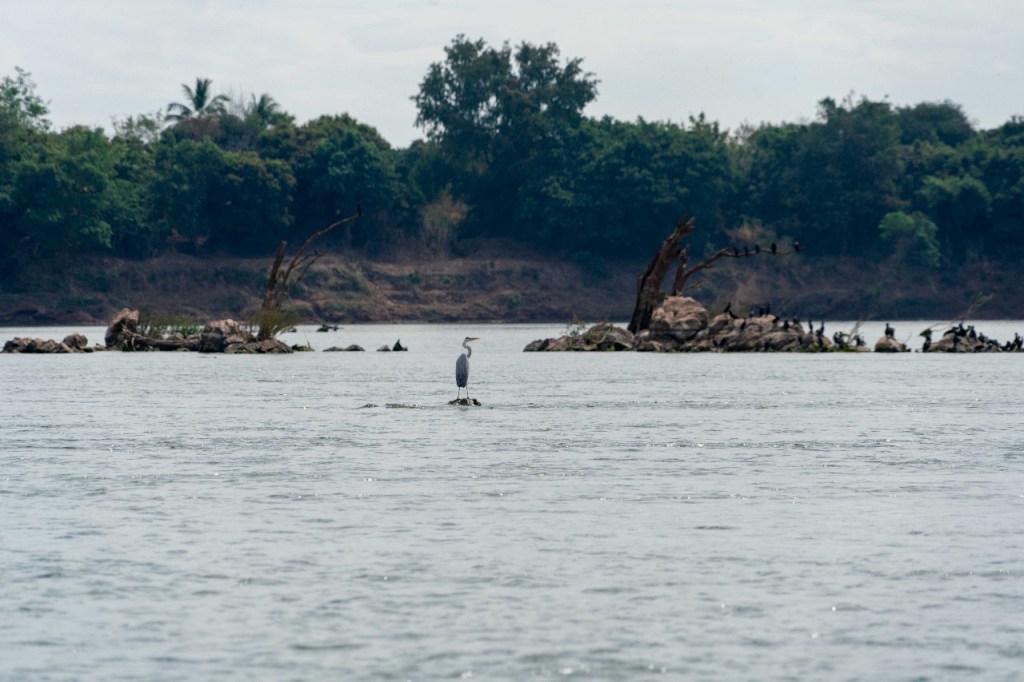
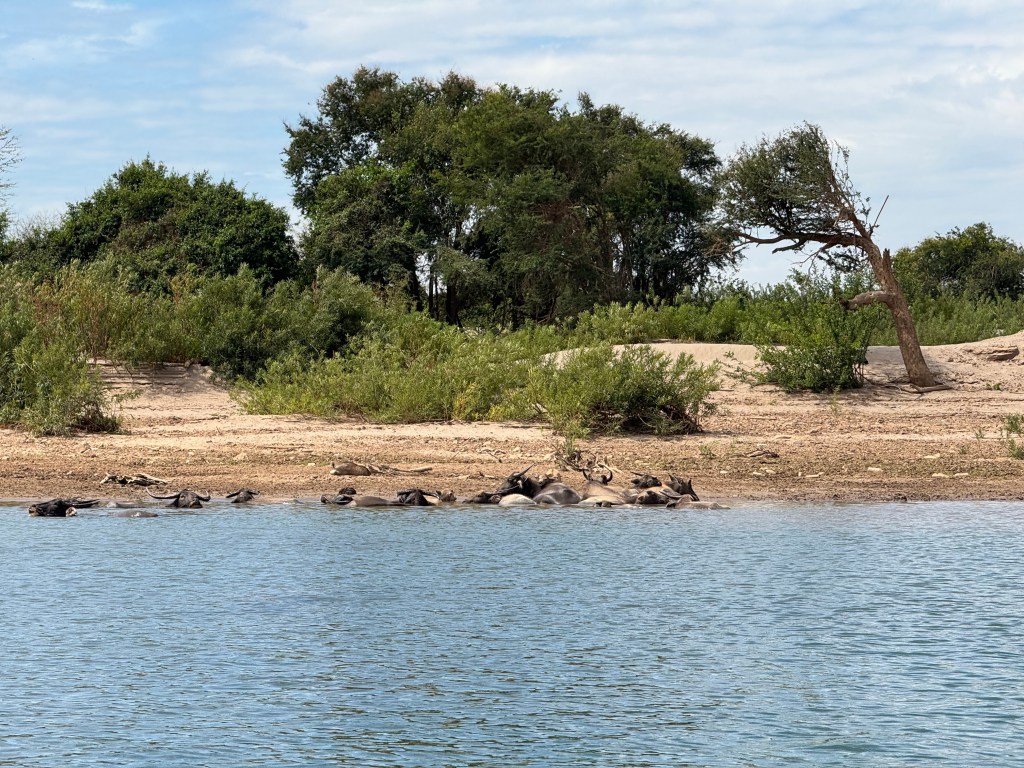
As we moved along the Mekong as it intersects with the Sekong, the boat ride provided us an opportunity to marvel at nature’s beauty and creatures; water buffaloes line up on the riverbanks, vultures, lesser adjutants, and river terns resting on trees and rocks.
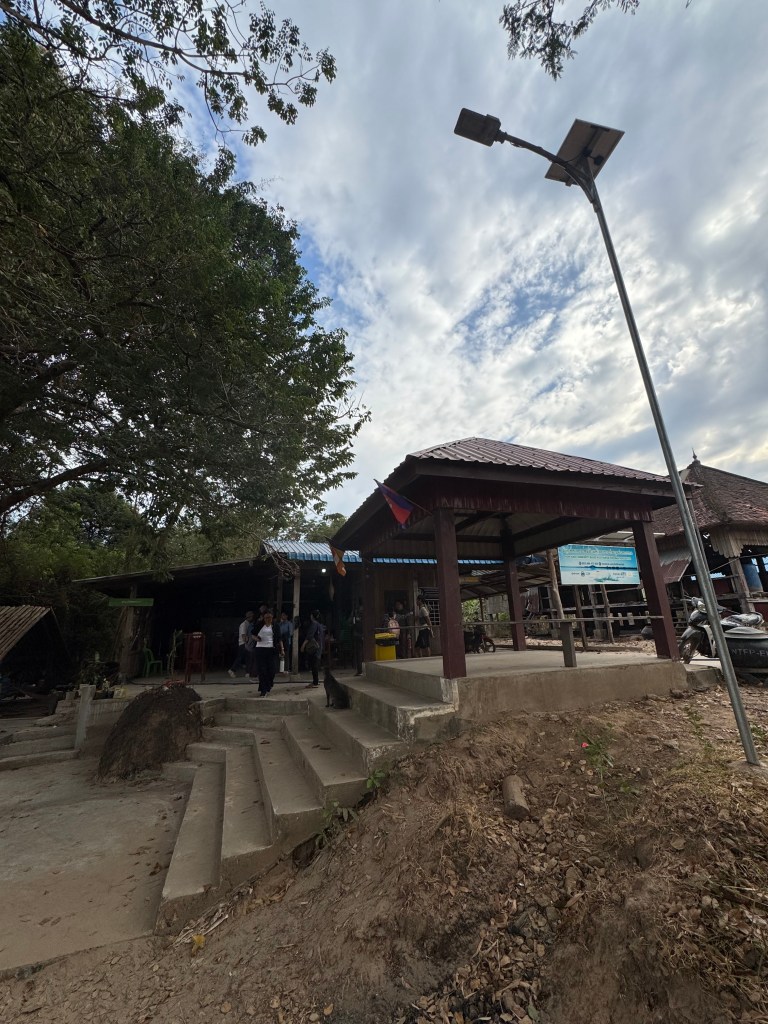
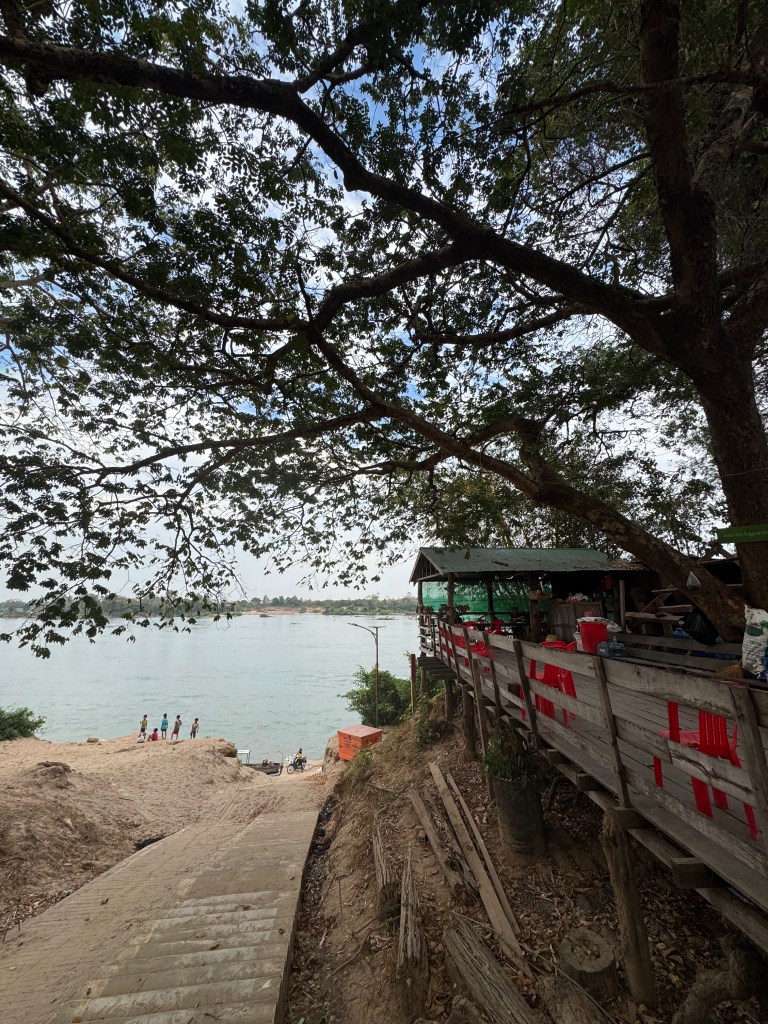
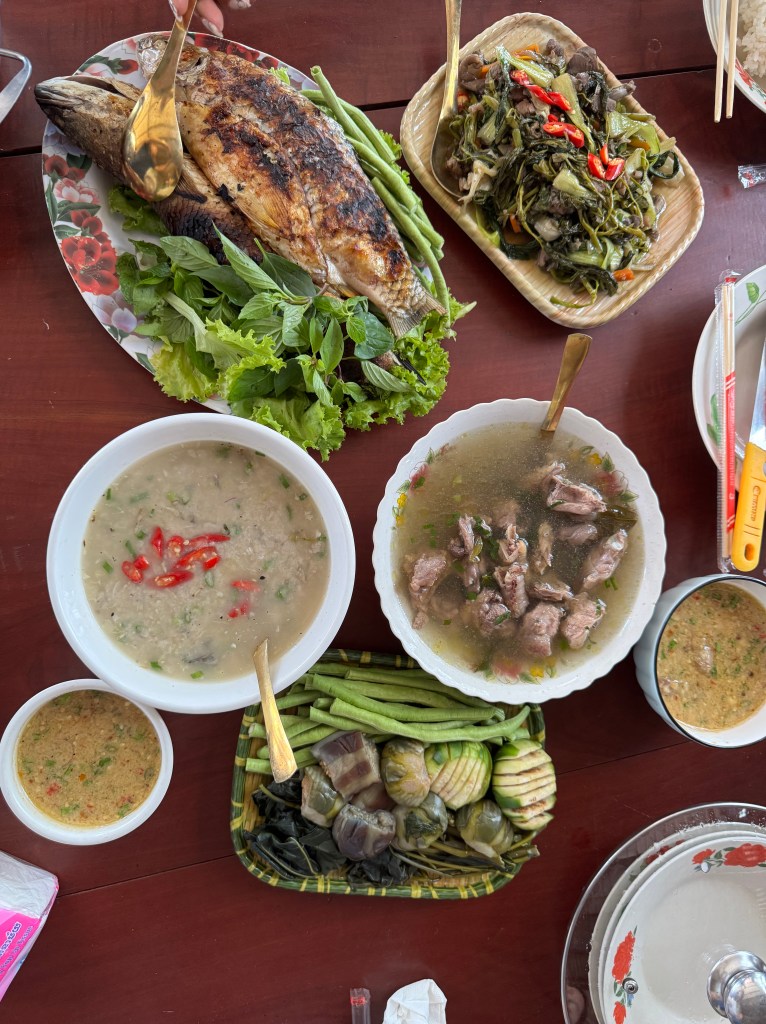
As lunchtime approached, we stopped by the community eco-tourism center managed by the Koh Sneng Community Fishery Association, established in 2002 with the initiative of Culture and Environment Preservation Association (CEPA). It was registered with Cambodia’s Ministry of Agriculture and Forestry in 2011. Koh Sneng community is located in Koh Sneng village, approximately 34.17 km from the town. The community fishery has 251 households. Lunch was simple but delicious. We enjoyed a variety of traditional Cambodian foods, all made with fresh, locally-sourced ingredients. The rich and diverse flavors reflected the country’s culinary heritage.
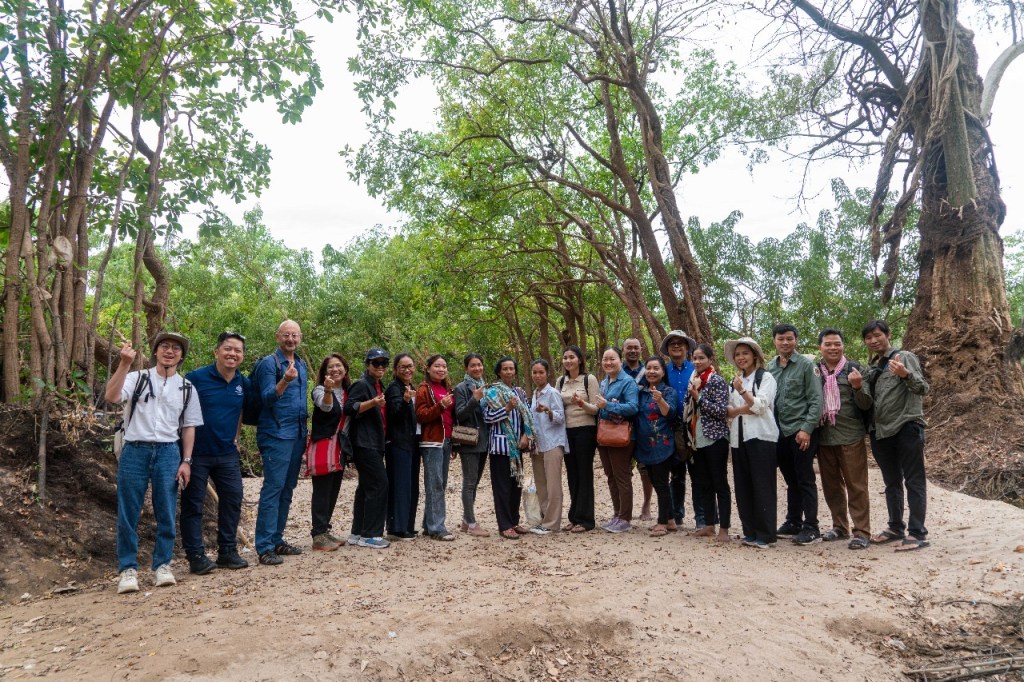
The highlight of the trip was the people we met. The boatmen who navigated the sometimes turbulent waters skillfully, the women who prepared our food, the community women leaders who explained to us how the conducted research to identify their community’s natural assets, alongside challenges brought about by climate change and the dam-building activities upstream, and the families implementing drip-irrigation agriculture in their farms.

I am grateful that my current work offers this opportunities, to visit places and appreciate nature and the beauty of the human spirit. My sincere hope is that these landscapes will be protected so that the people and communities that nurture and rely on them will reap the most benefits. May decision-makers on the future of these natural resources really listen to the people that live in it. Amen.
 Everything Random
Leave a comment